
Keeping Your House Clean and Safe from Hazards
A clean and safe home is essential for your family’s comfort, health, and overall well-being. While regular housekeeping keeps your space looking neat and inviting, it also plays a critical role in preventing household hazards. From reducing slips and falls to minimizing exposure to harmful substances, good housekeeping is a key part of maintaining a safe home environment.
Below are practical steps and safety-focused housekeeping tips to help you keep your home clean, organized, and protected from potential hazards.
Steps and Tips for a Clean and Hazard-Free Home
1. Develop a Regular Cleaning Routine
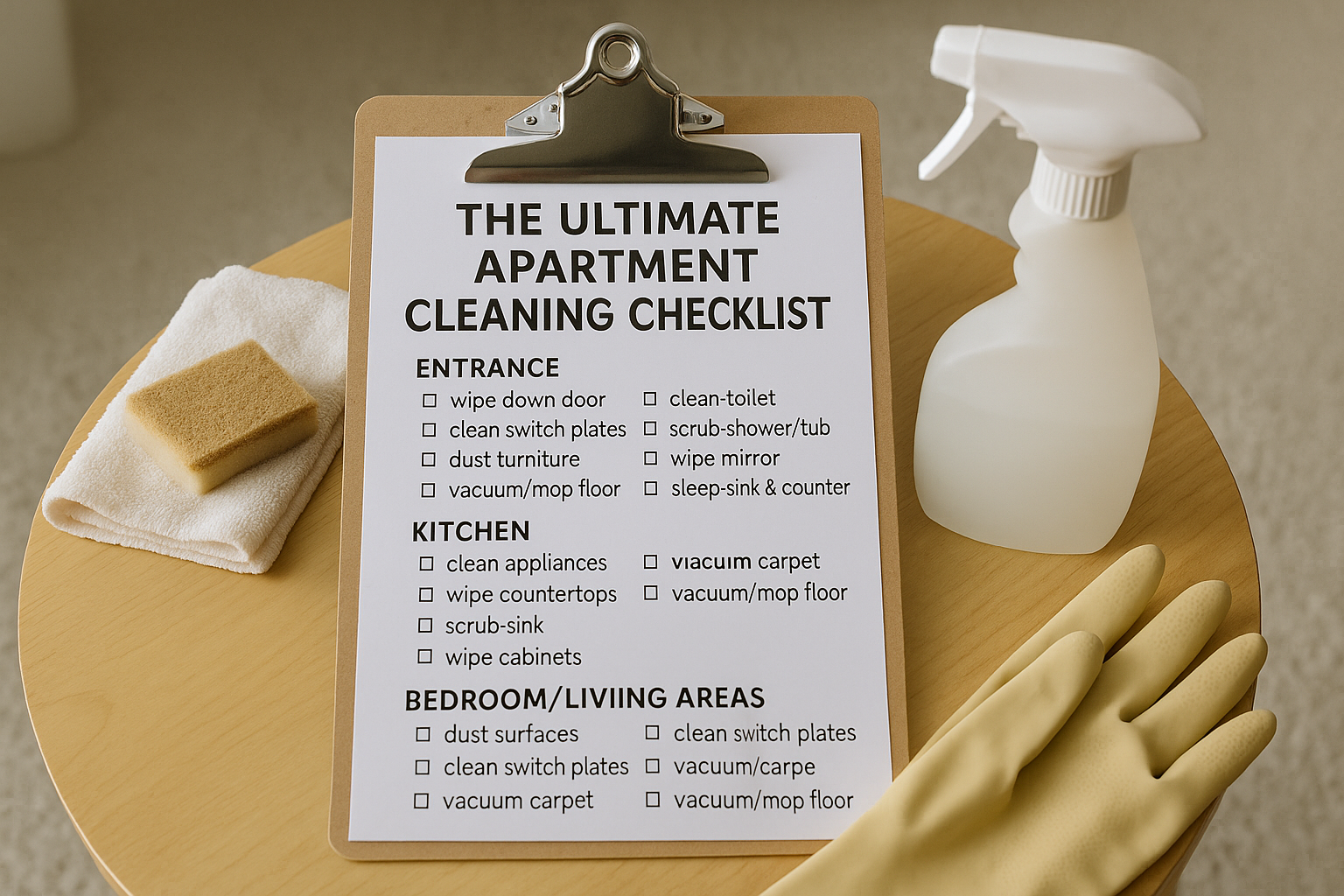
Establishing a consistent cleaning schedule helps prevent clutter, dirt buildup, and avoidable accidents.
Daily Cleaning:
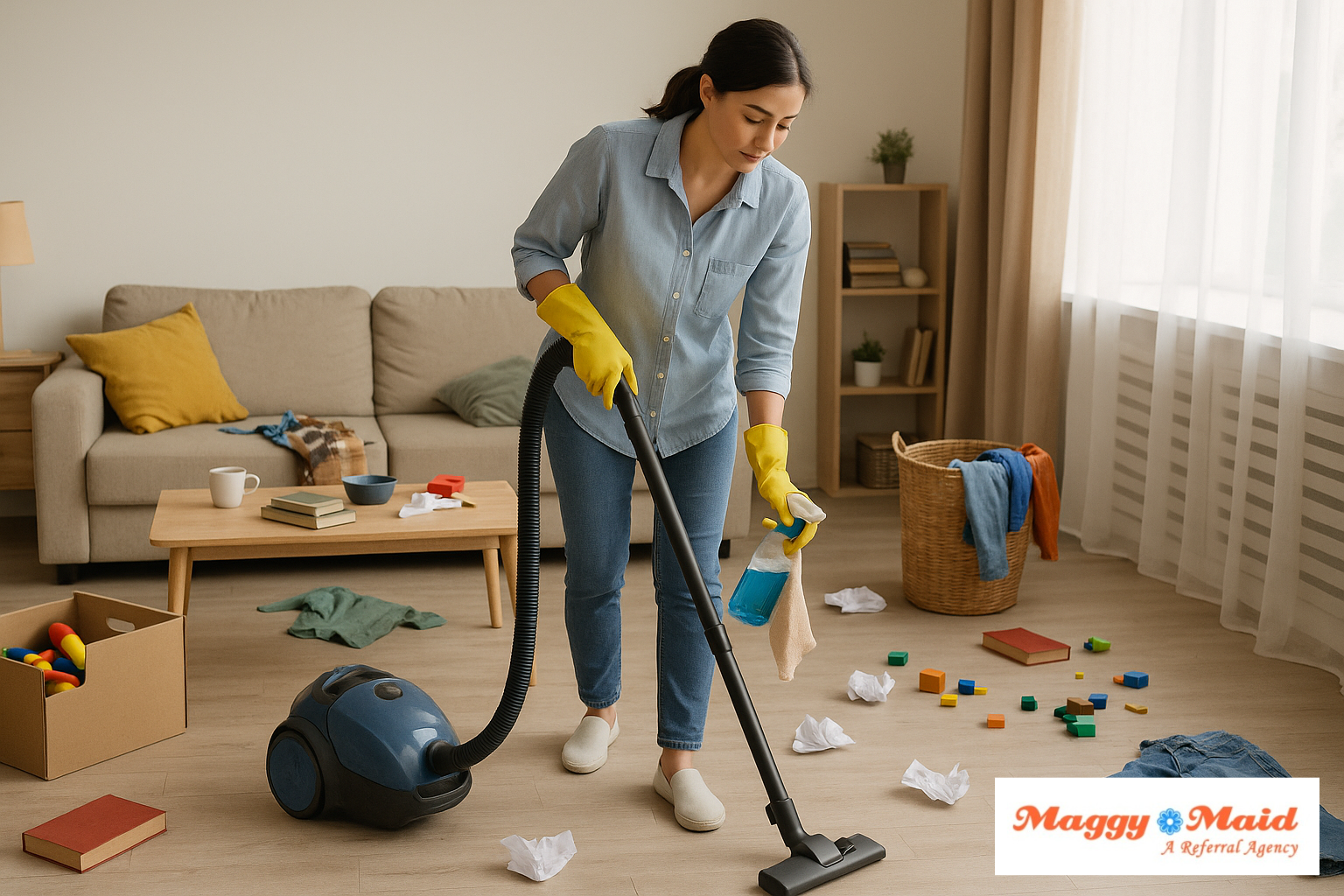
Simple tasks like wiping countertops, washing dishes, and sweeping floors reduce grime and help prevent slips and falls.Weekly Deep Cleaning:
Set aside time for vacuuming carpets, mopping floors, and cleaning bathrooms to maintain a higher level of cleanliness and hygiene.Seasonal Cleaning:
At least once per season, tackle larger tasks such as washing windows, cleaning behind appliances, and organizing storage areas.For detailed cleaning schedules and best practices, refer to the Centers for Disease Control and Prevention (CDC) Cleaning and Disinfection Guide.
2. Keep Floors and Walkways Clear
Clear walkways significantly reduce the risk of accidents at home.
Declutter Regularly: Store shoes, toys, and other items in designated areas to prevent tripping hazards.
Use Non-Slip Mats: Place non-slip mats in moisture-prone areas like kitchens and bathrooms.
Secure Loose Cords: Tuck away or secure electrical cords to keep walkways clear.
The National Safety Council (NSC) offers guidelines on fall prevention and home safety.

3. Maintain Proper Ventilation and Air Quality
Good air quality supports respiratory health and helps prevent mold growth.
Use Exhaust Fans: Run fans in kitchens and bathrooms to reduce moisture buildup.
Open Windows Regularly: Allow fresh air to circulate whenever possible.
Change Air Filters: Replace HVAC filters according to manufacturer recommendations to reduce dust and allergens.
For more information on maintaining healthy indoor air quality, visit the Environmental Protection Agency (EPA) Indoor Air Quality.
4. Store Hazardous Materials Safely
Proper storage of household chemicals protects children, pets, and adults alike.
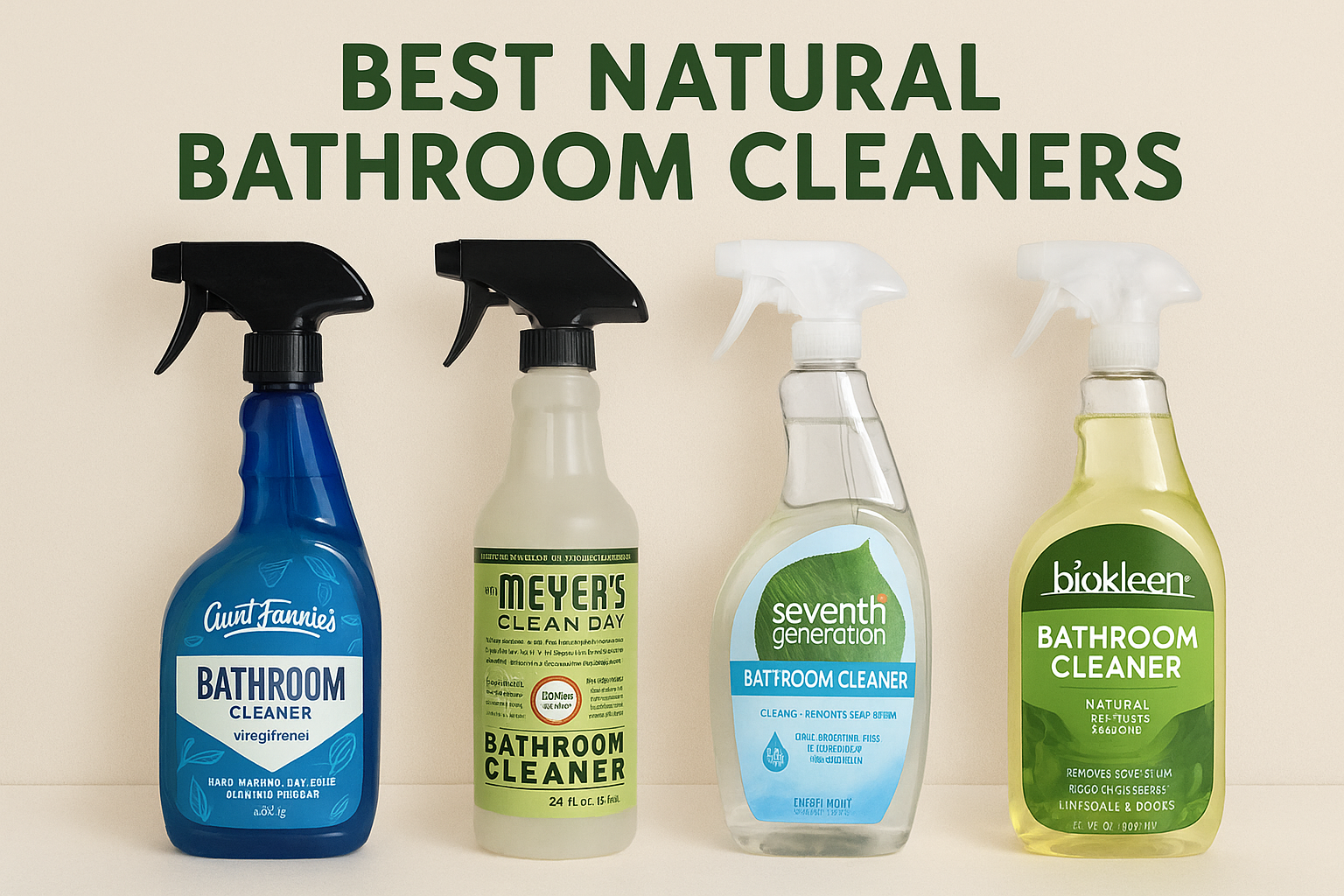
Keep Chemicals Out of Reach: Store cleaning supplies, medications, and chemicals in locked cabinets or high shelves.
Label and Organize: Keep products in their original containers and label them clearly.
Dispose of Hazardous Waste Correctly: Follow local guidelines for disposing of items like batteries, paint, and electronics.
The Environmental Protection Agency (EPA) Household Hazardous Waste guide provides detailed information on safe disposal practices.
5. Ensure Fire Safety
Install Smoke and Carbon Monoxide Detectors: Place detectors on every level of your home and test them regularly.
Create an Evacuation Plan: Practice a fire escape plan with your family and designate meeting points.
Keep Fire Extinguishers Accessible: Store them in key areas like the kitchen and near fireplaces, and learn how to use them properly.Fire prevention is a crucial part of household safety.
For comprehensive fire safety tips, visit the National Fire Protection Association (NFPA).
6. Prevent Water Damage and Mold Growth
Moisture-related issues can lead to serious health and structural problems.
Inspect for Leaks: Check plumbing, roofs, and windows regularly and repair leaks promptly.
Control Humidity Levels: Use dehumidifiers in basements and bathrooms.
Clean Mold Immediately: Address small mold issues with soap and water or appropriate cleaning products. Large problems may require professional help.
The Federal Emergency Management Agency (FEMA) provides resources on mold prevention and remediation.
7. Maintain Electrical Safety
Electrical hazards can be minimized with regular checks and mindful use.
Inspect Cords and Appliances: Replace damaged cords and avoid using faulty appliances.
Avoid Overloading Outlets: Use surge protectors and avoid plugging too many devices into one outlet.
Keep Electricity Away From Water: Ensure electrical devices remain dry and far from sinks or wet areas.
The Consumer Product Safety Commission (CPSC) provides guidelines on electrical safety in the home.

Maintaining a clean and safe home is an ongoing process that involves regular cleaning, organization, and awareness of potential hazards. By following these housekeeping and safety tips, you can create a healthier, more secure environment for your family.
For more expert guidance or to book professional cleaning services, visit House Cleaning Los Angeles. With the right approach, you can enjoy peace of mind knowing your home remains a safe haven year-round.