Kitchen Hygiene: 10 Tips To Improve Your Food Safety and Preparation

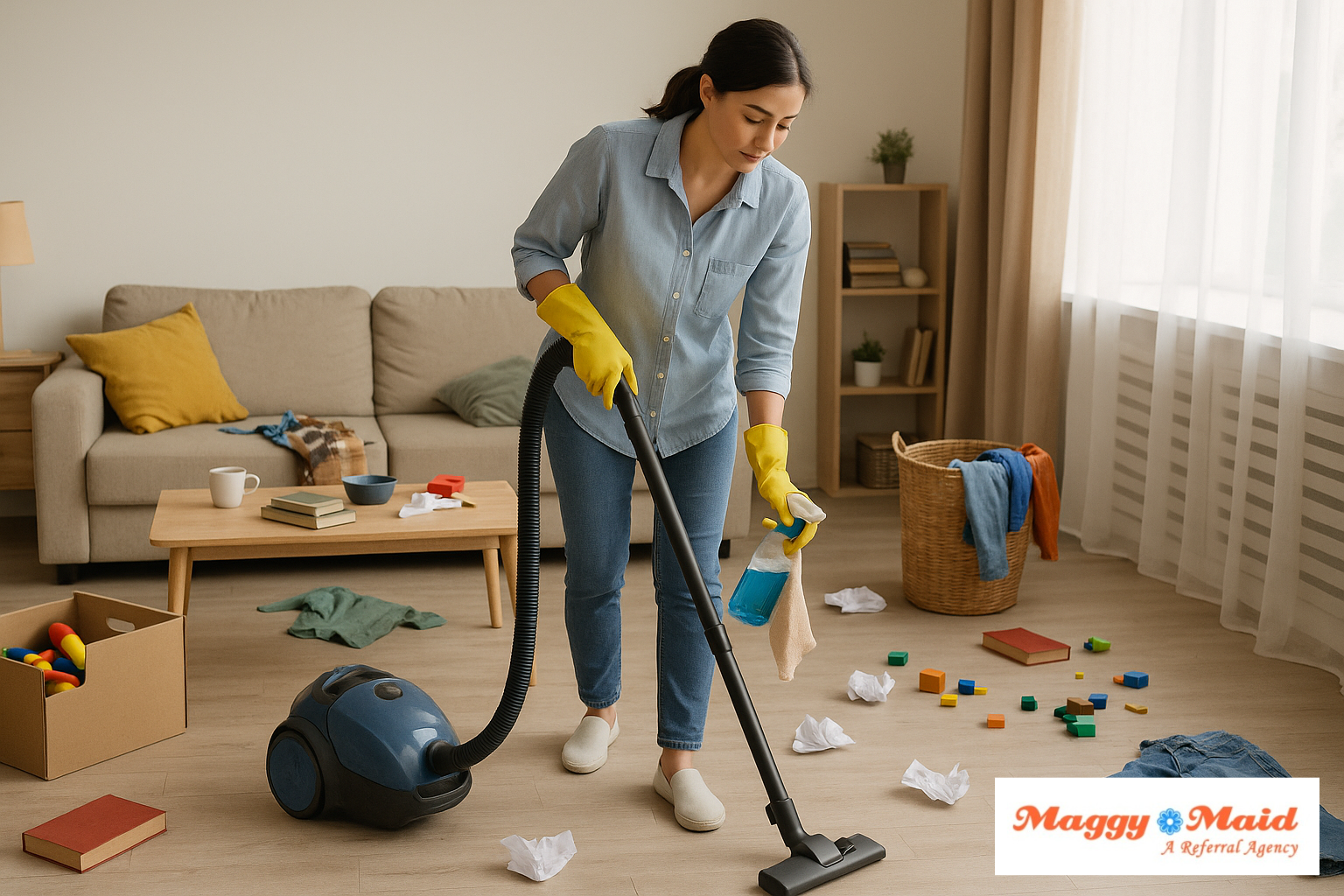
cleaners doing housekeeping services

Maintaining proper kitchen hygiene is essential for protecting your household from foodborne illnesses and creating a safe, enjoyable cooking environment. A clean kitchen supports better food preparation, prevents cross-contamination, and promotes overall well-being.

Follow these practical kitchen hygiene tips to keep your space clean, organized, and food-safe every day.

Why Kitchen Hygiene Matters

Good kitchen hygiene reduces the risk of bacteria, mold, and food contamination. Simple daily habits can significantly improve food safety while making your kitchen more efficient and pleasant to use.

How To Improve Kitchen Hygiene?

Wash Hands Regularly

  • Always wash your hands with soap and water before and after handling food—especially raw meat, poultry, and seafood.

    • Scrub hands for at least 20 seconds

    • Dry hands using a clean towel or paper towel
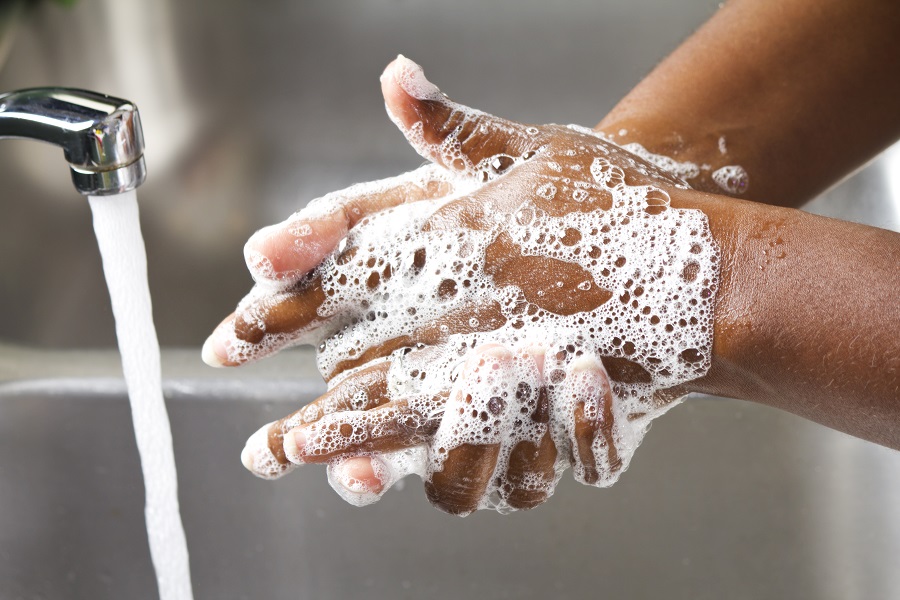
Proper Handwashing - Maggy Maid

Disinfect Kitchen Surfaces

  • Clean and disinfect countertops, cutting boards, and food-prep areas regularly.

    • Use a safe disinfecting solution such as 1 tablespoon of bleach per gallon of water

    • Pay special attention to surfaces used for raw foods

Separate Raw and Cooked Foods

  • Prevent cross-contamination by keeping raw and cooked foods separate.

    • Use different cutting boards and utensils

    • Store raw meat, poultry, and seafood in sealed containers on the bottom shelf of the refrigerator

Disinfect Kitchen Surfaces - Maggy Maid

Cook Food to Proper Temperatures

Ensure food is fully cooked to eliminate harmful bacteria.

  • Poultry: 165°F

  • Ground meats: 160°F

  • Whole cuts of meat: 145°F

  • Reheat leftovers to 165°F

Use a food thermometer for accuracy.

Refrigerator Cleaning and Organization

  • Regular refrigerator maintenance prevents mold and bacterial growth.

  • Clean shelves and drawers weekly
  • Keep the fridge at 40°F or below and the freezer at 0°F
  • Store leftovers in airtight containers and label them with dates
Separate Raw and Cooked Food - Maggy Maid

Practice Good Dishwashing Habits

  • Wash dishes, utensils, and cookware immediately after use.
  • Use hot, soapy water
  • Sanitize sponges and dishcloths by microwaving them (wet) for 1–2 minutes or washing them in the dishwasher

Take Out the Trash Regularly

Kitchen trash can quickly attract pests and odors.

  • Empty bins frequently
  • Wash trash cans regularly with soap and water
  • Always use trash liners
Good Dishwashing Habits - Maggy Maid

Proper Sink Cleaning and Maintenance

Your sink is one of the most bacteria-prone areas.

  • Disinfect daily
  • Avoid leaving dirty dishes soaking for long periods
  • Clean after washing raw meat, fruits, and vegetables

Use a Splatter Guard

Grease splatters can lead to buildup and bacteria.

  • Use splatter guards when frying
  • Clean stovetops and ovens regularly to prevent grease accumulation

Store Food Properly

Correct food storage improves freshness and safety.

  • Keep dry goods in airtight containers
  • Check expiration dates often
  • Discard spoiled or expired items immediately

Additional Food Safety Resources

For official food safety guidance, visit:

  • CDC Food Safety

  • FDA Food Safety

A clean and hygienic kitchen is the foundation of a healthy home. By practicing these simple kitchen hygiene habits daily, you can significantly reduce health risks and enjoy a safer cooking space.

For expert kitchen cleaning and professional housekeeping services, visit Maggy Maid Indianapolis Services. Consistent care—and occasional professional cleaning—makes maintaining kitchen hygiene easy and stress-free.

Most Popular
Get The Latest Updates
Subscribe To Our Weekly Newsletter
No spam, notifications only about new products, updates.
Share:
Facebook
Twitter
Pinterest
LinkedIn
Related Posts