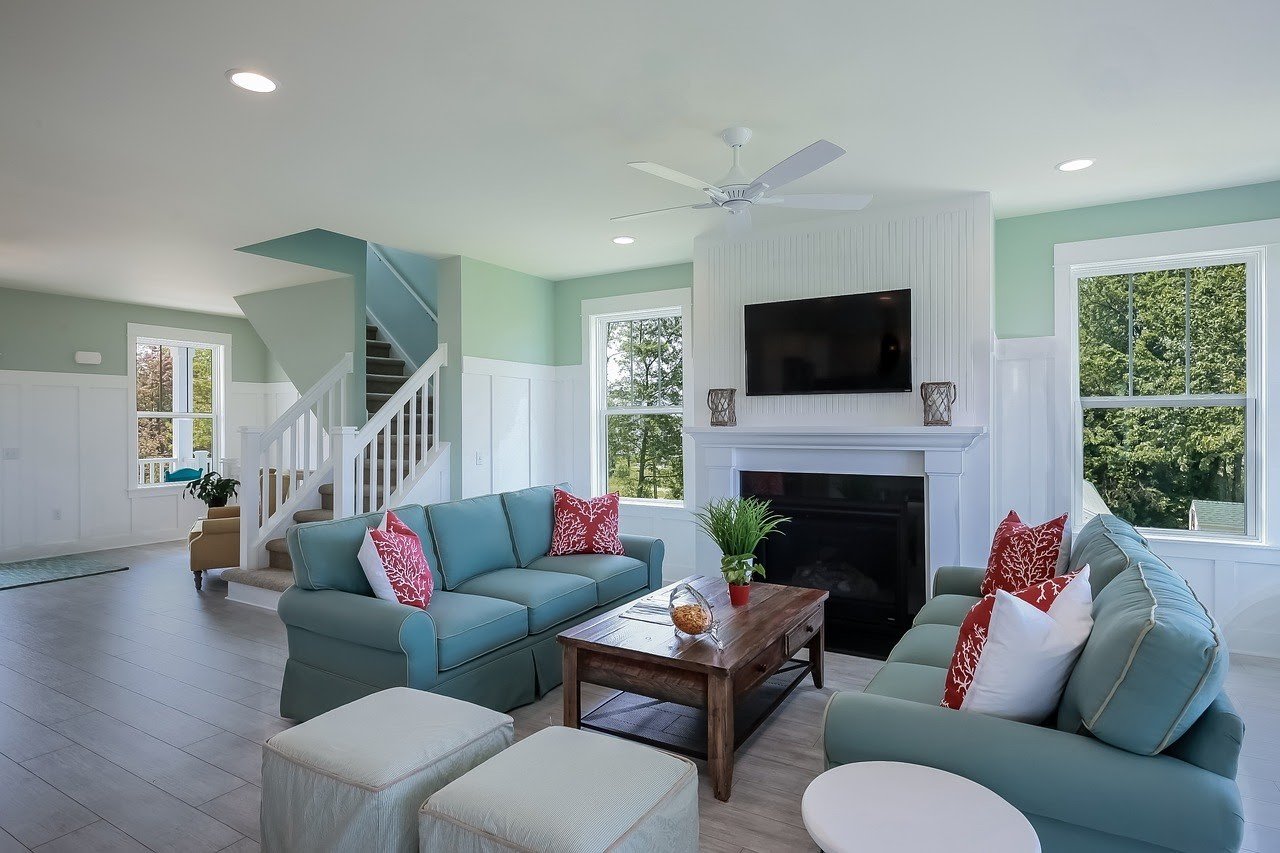

While the terms family room and living room are often used interchangeably, they refer to two distinct spaces in a home, each with its own purpose. Understanding how these rooms differ can help you design your home more effectively and ensure each space meets your family’s needs.
1. Purpose and Functionality
The main difference between a family room and a living room lies in how each space is used.
Family Room: A casual, multi-purpose area for watching TV, playing games, and spending time together
Living Room: A more formal space typically used for entertaining guests or quiet relaxation
Pro Tip: Use durable, comfortable furniture in the family room and more refined pieces in the living room.
2. Location in the Home
Living rooms are usually located near the front of the home and are designed to showcase the house in a formal way. Family rooms are often positioned toward the back of the house, commonly near the kitchen, making them ideal for everyday use.
Pro Tip: Take advantage of the family room’s proximity to the kitchen for open-concept living, while designing the living room as a quieter retreat.
3. Decor Style and Aesthetics
Because each room serves a different purpose, their design styles vary.
Family Room: Relaxed, practical, and child-friendly
Living Room: More formal, polished, and design-focused
Pro Tip: Choose stain-resistant fabrics for family rooms and elegant finishes for living rooms.
4. Entertainment and Media Use
Family rooms typically serve as the entertainment hub of the home, often featuring TVs, sound systems, and gaming consoles. Living rooms may focus on quieter entertainment such as reading, conversation, or music.
Pro Tip: Keep family room electronics organized with storage solutions. Create a TV-free zone in the living room for relaxation.
5. Social and Family Interaction
Family rooms are designed to encourage group activities and casual interaction, while living rooms are more formal spaces often reserved for hosting guests or special occasions.
Pro Tip: Arrange family room seating to promote interaction. Use structured seating layouts in living rooms for a welcoming guest experience.
6. Floor Plan and Layout
Family rooms commonly feature open layouts that connect with kitchens or dining areas. Living rooms usually have more defined, enclosed layouts that separate them from other spaces.
Pro Tip: Use rugs and furniture placement to define family rooms in open layouts. Architectural details can help structure living rooms.
7. Lighting Choices
Lighting in family rooms is typically functional and versatile, while living rooms often rely on layered, ambient lighting to create a sophisticated mood.
Pro Tip: Install dimmable lighting in family rooms and layered lighting in living rooms for flexibility and ambiance.
8. Frequency of Use
Family rooms are used daily and experience heavy foot traffic. Living rooms are often used less frequently and may be reserved for guests or formal gatherings.
Pro Tip: Choose easy-to-clean furniture and surfaces for family rooms, and statement pieces for living rooms.
9. Storage Needs
Because of daily activities, family rooms require ample storage for toys, games, and electronics. Living rooms generally need less storage and focus more on decorative displays.
Pro Tip: Built-in storage works well in family rooms, while decorative cabinets and shelves suit living rooms.
10. Personalization and Family Touches
Family rooms often reflect the personality of the household with photos, artwork, and personal items. Living rooms tend to feature curated decor with a more cohesive, refined look.
Pro Tip: Showcase memories and hobbies in the family room, and keep living room decor polished and intentional.
Both the family room and living room play important roles in a home. One prioritizes comfort and everyday living, while the other emphasizes formality and presentation. How you design and use these spaces ultimately depends on your lifestyle and household needs.
Whether it’s a family room, a living room, or both, creating spaces that support how you live is what truly matters.
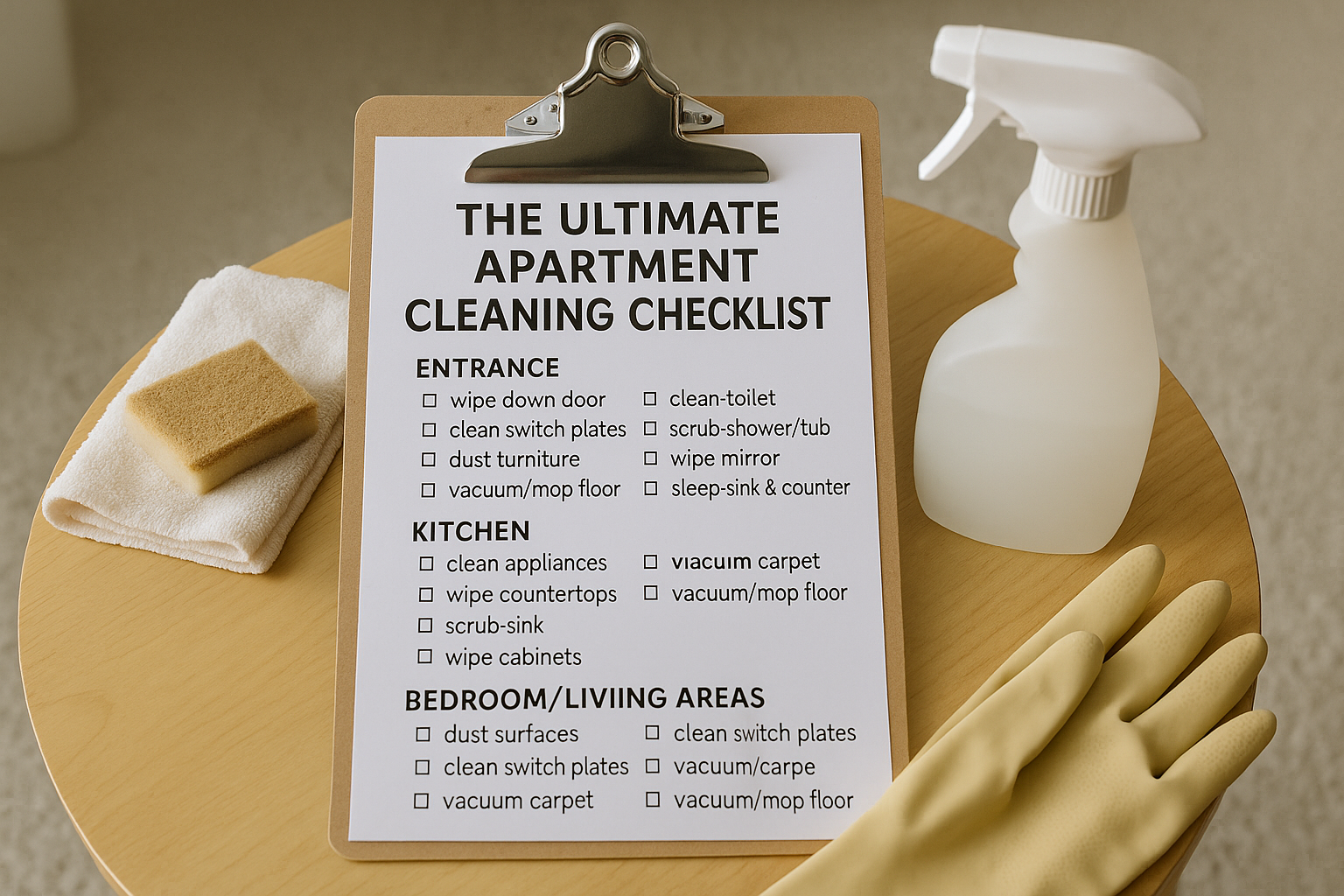
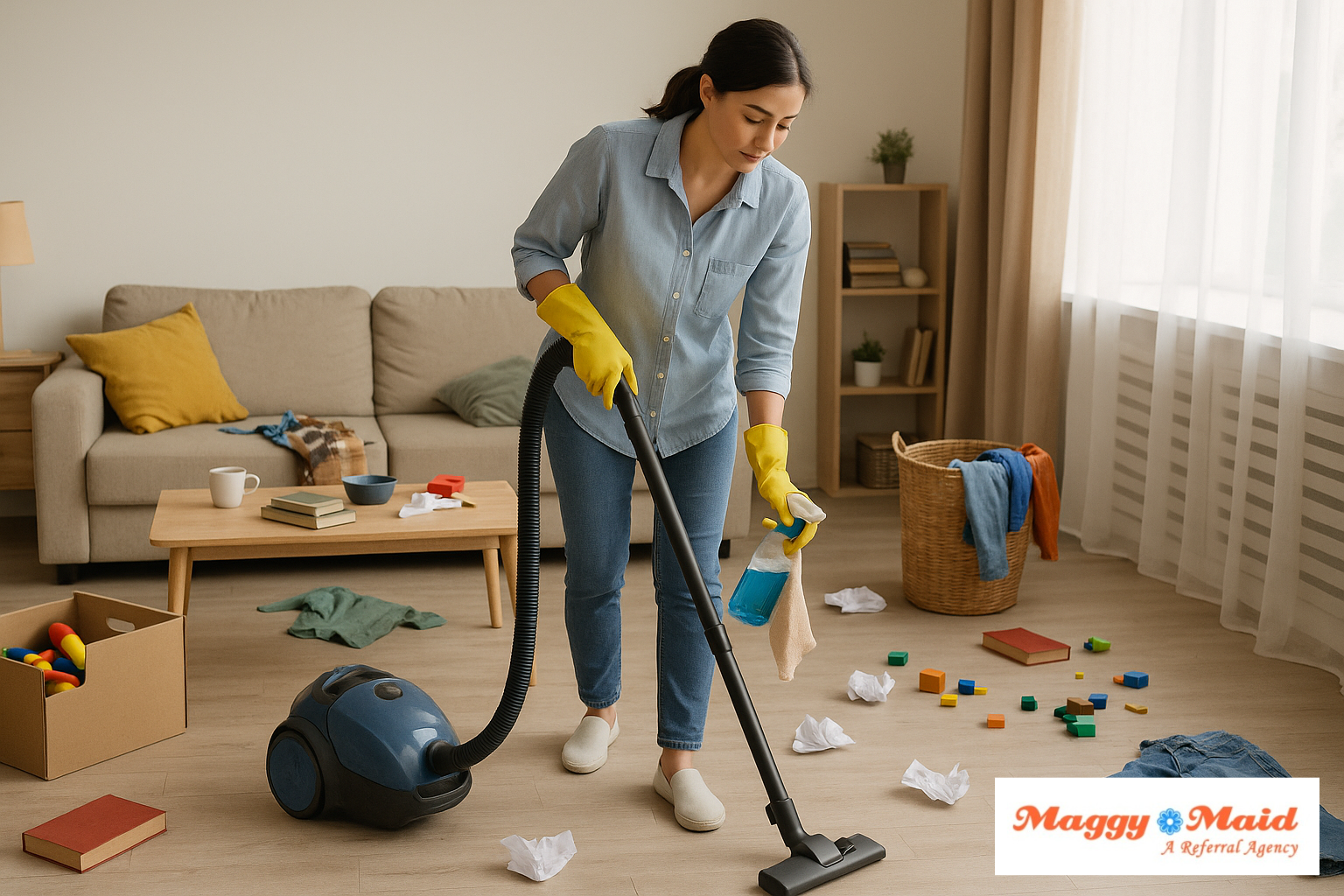
For professional help keeping your family room clean and comfortable, visit Maggy Maid.