
It’s okay if you have never cleaned your freezer before. Because now is the time to start!
Food often gets shoved into the freezer and remains lost in there for a very long time. Just like your refrigerator, your freezer needs a deep clean from time to time. Basically, you should go through your freezer, check what you have and get rid of the old food. Here’s a rundown on how to give your freezer a good cleaning.
How to Clean and Sanitize a Freezer?

Step 1: Defrost Your Freezer
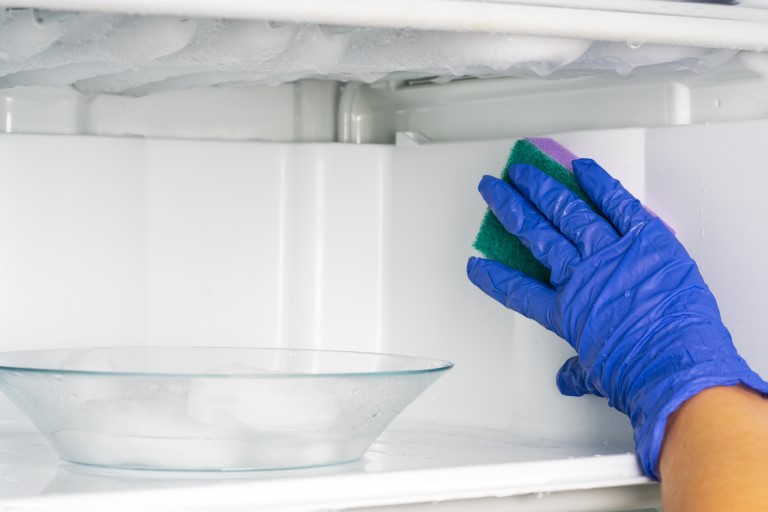
First, defrost the freezer to ensure optimal performance of your appliance.This will also help to not waste any electricity and minimize those utility bills. You will need to turn the freezer off, and unplug it before cleaning.
Place towels or old newspapers underneath to catch any water that may drip.
Defrosting the freezer is a time-consuming process. Begin by removing all shelves, drawers, and other removable components from the freezer. Allow them to reach room temperature before washing them by hand with hot, soapy water. Once clean, dry the removable parts with a clean towel. Avoid running cold glass shelves or drawers under hot water, as sudden temperature change can cause the glass to crack.

Step 2: Move Foods from Your Freezer to a Cooler or Chiller
Begin the defrosting by emptying the freezer contents. Assess the items and decide what to keep and what to discard. Any food that cannot be identified should be disposed of to avoid any risks. For items you choose to keep, use a marker to label them with names and dates to ensure freshness. If any food appears to be spoiled, smells unusual, or you are uncertain about its safety, it’s best to err on the side of caution and discard it.
Additionally, large ice crystals within containers or a layer of frost on the food may indicate poor quality and potential contamination, disposal it as well.
Step 3: Wipe and Sanitize the Freezer
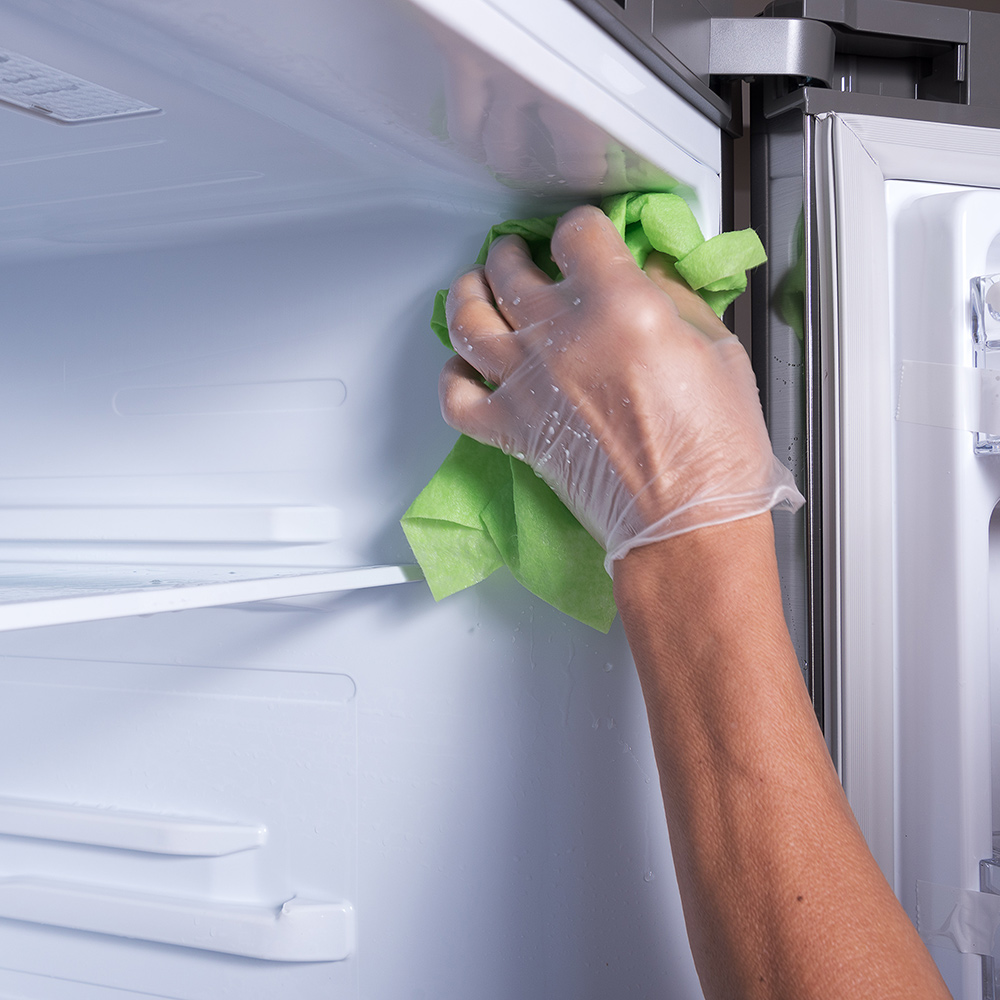
After all the ice and frost have melted, it’s time to clean the the freezer. Start by wiping down inside with hot, soapy water to remove any remaining residue. Ensure to thoroughly clean the interior, including the freezer doors and any non-removable drawers.
Rinse the surfaces with clean water to remove any soap residue, then dry everything with a clean towel. For an extra layer of sanitation, prepare a solution of 1 tablespoon of liquid bleach mix with a gallon of water and use it to sanitize the interior surfaces. However, it’s important to note that sanitization should only be done after the initial cleaning with hot, soapy water to ensure effectiveness.
Your freezer has a drain or drainage tube, which should be unplugged and all the water removed from it. Refer to the user’s manual if you are unsure where it is.

Step 4: Turn Freezer Back On and Put Back The Contents
Finally, wait until the freezer temperature reaches close to 0 degrees Fahrenheit before refilling and reorganizing your freezer to ensure optimal storage conditions. Once you’ve completed, take time to wash your hands thoroughly with soap and water.
Additionally, launder any towels used to dry the freezer before using them again to maintain cleanliness. Don’t forget to wipe down kitchen counters, coolers, or bags used to store food, as well as refrigerator parts and any cleaning materials, with hot, soapy water to prevent cross-contamination. These final steps will help ensure that your freezer is clean, organized, and ready for use.
How Often to Clean Your Freezer?
You can dig in through your freezer and reorganize it anytime, but once or twice a year is good. Just unplug it so the unit can defrost. This will give you the opportunity to safely clean and sanitize it. If there is a time of year where you have a lesser amount of food in your freezer (like when you go on or return from vacation), that would be the perfect time to defrost it. After a power outage would also be a good time once the power comes back on.
Bonus Freezer Cleaning Tip
Here is a guideline of how long foods can be stored in the freezer:
- Ground beef and pork: 3-4 months
- Beef steaks and roasts: 6-12 months
- Pork Chops: 4-6 months
- Pork roasts: 4-6 months
- Lunch meats and sausage: 1-2 months
- Lean fish (cod, haddock, flounder): up to 6 months
- Fatty fish (tuna, salmon): 2-3 months
- Cooked meat leftovers: 2-3 months
By regularly defrosting, removing and assessing food items you’ll ensure a hygienic environment for your frozen goods. Remember to sanitize surfaces and wash your hands and cleaning materials to prevent contamination.
With a clean and organized freezer, you can have peace of mind knowing that your food is safely stored. If you need professional assistance to your other home cleaning tasks, you can always count on Maggy Maid – request for an obligation free quote today!